Why EV Charging Apps Matter
EV charging is fundamentally different from gassing up. You need to know not just where chargers are, but whether they are currently working, how fast they charge, whether your car is compatible, what it will cost, and — on a long trip — where to stop to arrive with enough range. No single car's built-in navigation covers all of this. A good app fills the gaps.
Here is an honest comparison of the apps actually used by experienced EV drivers in 2026 — not a list of every app that exists, but the ones worth having on your phone.
PlugShare: The Community Standard
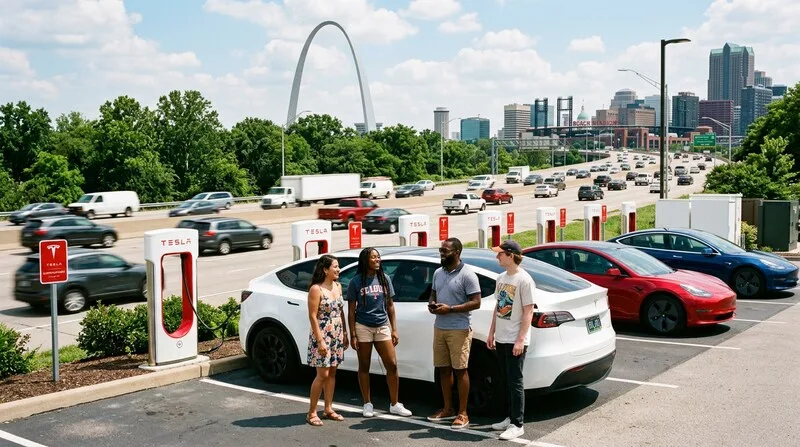
PlugShare is the most widely used EV charging app in the world, with over 5 million registered users and a database of 700,000+ charging locations globally. Its core strength is community: users leave real-time check-ins, photos, and comments about charger status that no corporate database can match.
- Strengths: Largest database, real user reviews, real-time check-ins, covers all networks including private/destination chargers, free to use
- Weaknesses: No built-in route planning, payment handled through individual network apps (not in PlugShare)
- Best for: Finding chargers anywhere, verifying that a charger actually works before you drive there
- Cost: Free (PlugShare Premium available with extra filters for $2.99/month)
- Compatible with: All EVs
Key feature: the "Checkin" system. Before stopping at an unknown charger, check recent comments. A broken charger reported 2 hours ago is invaluable trip-saving information.
ChargePoint: Network App with Roaming
ChargePoint operates the largest charging network in North America by number of connectors (180,000+) and has a competent app that does more than just access ChargePoint stations. Via roaming agreements, the ChargePoint app also covers EVgo, Blink, and dozens of smaller networks under one payment system.
- Strengths: Single payment for multiple networks, RFID card available, subscription plans, push notifications when a stall opens
- Weaknesses: Does not cover Tesla Supercharger, Electrify America, or EVgo directly (each still requires their own app for full access)
- Best for: Frequent public charging users who want one payment method across many networks
- Cost: Free, with subscription options ($6.99/month for discounted rates at ChargePoint stations)
A Better Route Planner (ABRP): The Road Trip Tool
ABRP (A Better Route Planner) does one thing exceptionally well: calculating road trip routes that include optimal charging stops. It accounts for your specific car model, real-time weather (which affects range), terrain, your departure state of charge, and your target arrival level at each stop.
- Strengths: Best-in-class route optimization, vehicle-specific range modeling, live traffic integration (premium), Android Auto / Apple CarPlay support (premium)
- Weaknesses: Not a charger-finding tool for local use; best features require paid subscription
- Best for: Planning multi-stop road trips, especially in unfamiliar territory
- Cost: Free (basic); ABRP Premium $2.99/month or $24.99/year — worth it for frequent road trippers
- Compatible with: 500+ EV models with detailed range data
Tesla App: Seamless (for Tesla)
For Tesla drivers, the Tesla app is the primary charging tool — and it is excellent within its scope. Supercharger availability in real time, route planning with automatic Supercharger stops, remote preheat for cold charging, and start/stop control are all built in. Non-Tesla drivers need the app to access Superchargers (see the Supercharger guide).
- Strengths: Seamless integration with Supercharger network, plug-and-charge for Tesla owners, real-time occupancy, excellent route planning built into the car's nav
- Weaknesses: Only covers Supercharger network; third-party chargers shown are from PlugShare data (read-only)
- Best for: Tesla owners
- Cost: Free
Electrify America App: Required for EA Network
If you charge at Electrify America stations regularly, you need their app for Pass+ pricing. The app shows real-time stall availability, initiates sessions, and manages your membership. It also works for sessions at stations via credit card tap — but the app unlocks lower rates.
- Strengths: Required for Pass+ pricing, real-time availability, station map with 97% uptime data
- Weaknesses: Single-network app; interface is functional but not as polished as PlugShare
- Best for: Regular EA users and owners of Hyundai, Kia, VW, Audi, Porsche (who often have included EA charging)
- Cost: Free; Pass+ $4/month
EVgo App: Urban Fast Charging
EVgo is a DC fast charging network focused primarily on urban and suburban locations — shopping centers, grocery stores, movie theaters — rather than highway corridors. The EVgo app is straightforward: find a station, see stall availability, pay.
- Strengths: Good urban coverage in major metros, consistently adding NACS connections, auto-start via your EV's native integration on some models
- Weaknesses: Smaller network than EA (1,000+ stations vs EA's 900 but fewer total stalls); limited highway coverage
- Best for: Urban drivers in markets where EVgo has strong coverage (California, Texas, Pacific Northwest)
- Cost: Free; membership $7.99/month for discounted rates
Which Apps Do You Actually Need?
The honest recommendation for most US EV drivers:
- Always install: PlugShare (for real-world charger status) + whichever network app covers your most-used chargers
- Road trippers: Add ABRP — the free version is useful, Premium is excellent
- Tesla owners: Tesla app handles everything; add PlugShare for destination and non-Supercharger locations
- CCS1 vehicles: Electrify America app + EVgo app if you travel in major metros
Real-Time Availability: The Most Important Feature
The single most practical feature across all apps is real-time stall availability. Before driving to a charging stop — especially in cold weather or on a tight schedule — check the app. PlugShare community check-ins are the gold standard for reliability; network apps show official status but may lag when stations are actually down.
All locations on the ChargeMap24 map aggregate data from multiple sources including PlugShare, AFDC, and live network feeds — use it to cross-reference before a critical charging stop.