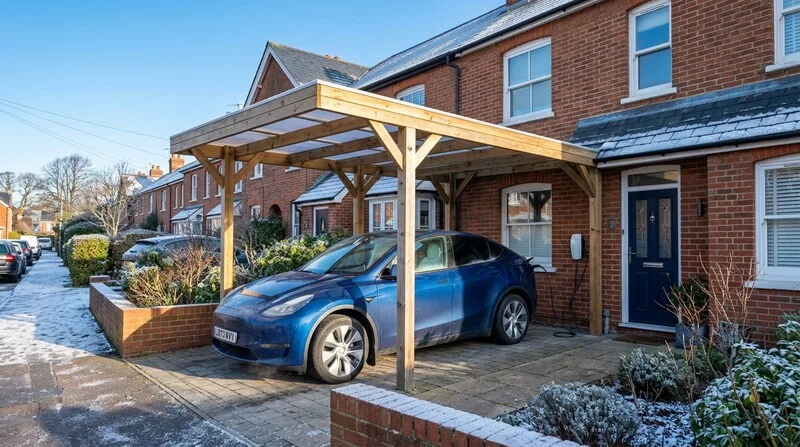
The Three Charging Levels: A Quick Overview
When you charge an electric vehicle, the speed depends on the voltage and current available. The US EV industry uses a three-tier system to categorize charging equipment — Level 1, Level 2, and Level 3 (DC Fast Charging). Each level has different hardware requirements, costs, and practical use cases. Understanding the difference helps you set up home charging correctly and plan public charging stops efficiently.
Level 1 Charging: The Standard Household Outlet
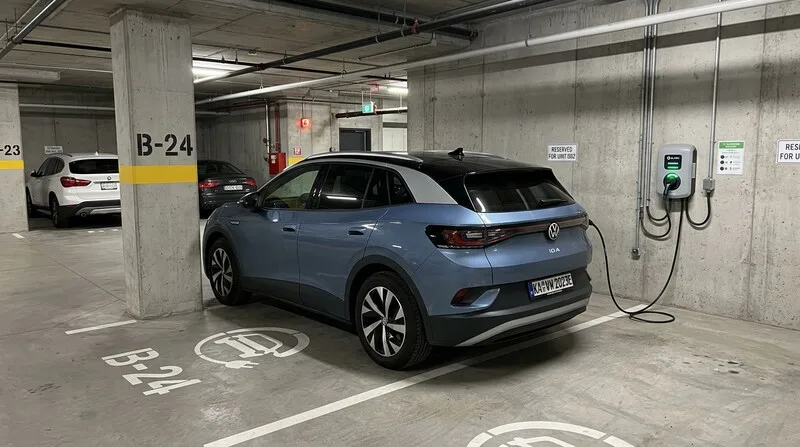
Level 1 charging uses a standard 120-volt AC outlet — the same type found in every US home. No special equipment is needed beyond the charging cable (EVSE) that comes with your vehicle. You simply plug the cable into a regular wall socket.
- Power output: 1.2–1.9 kW
- Charging speed: adds approximately 4–5 miles of range per hour
- Full charge time (typical 60 kWh battery): 30–50 hours
- Equipment cost: Zero — uses the included EVSE cable
- Installation: None required
When is Level 1 useful? For plug-in hybrids (PHEVs) with small batteries (8–18 kWh), Level 1 is often perfectly adequate — a PHEV can fully charge overnight on a standard outlet. For full BEV drivers who cover fewer than 40 miles per day, Level 1 can work as a backup option but is rarely sufficient as a primary charging method. It is also a useful emergency solution when traveling to locations without Level 2 access.
Level 2 Charging: The Home and Workplace Standard
Level 2 charging uses a 240-volt AC circuit — the same voltage as a clothes dryer or electric range. It requires a dedicated circuit and an EVSE (Electric Vehicle Supply Equipment), commonly called a "wallbox" or "home charger." A licensed electrician typically installs the circuit and the EVSE unit.
- Power output: 7.2–19.2 kW (most home units are 7.2–11.5 kW)
- Charging speed: adds 25–40 miles of range per hour
- Full charge time (60 kWh battery): 4–8 hours
- Equipment cost: $300–800 for a quality home wallbox (brands: ChargePoint, Emporia, Wallbox, Tesla)
- Installation cost: $200–600 for an electrician (varies by panel distance and local labor rates)
Level 2 is the right choice for most EV owners. Plugging in overnight means you start every morning with a full or near-full battery — no trip to a public charger required for daily driving. Workplace Level 2 chargers serve the same function during business hours. Public Level 2 chargers are found at parking garages, shopping centers, hotels, and destination locations — useful for topping up during a 2–3 hour stop.
Level 3 (DC Fast Charging): Highway Speed
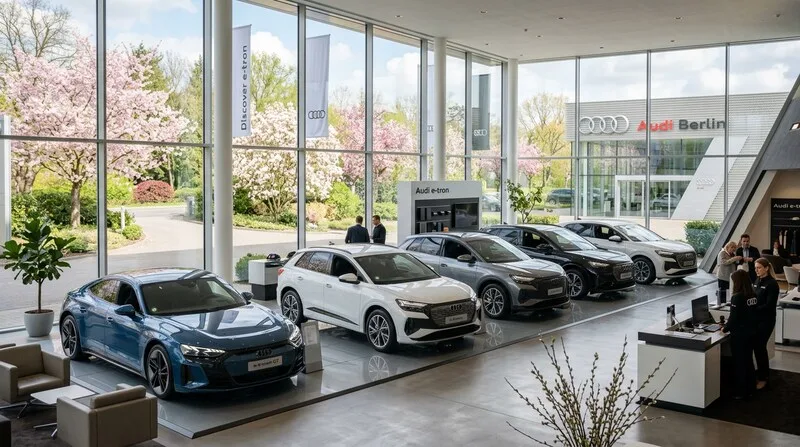
Level 3, also called DC Fast Charging (DCFC), is fundamentally different from Levels 1 and 2. It delivers direct current (DC) at high voltage directly to the battery, bypassing the car's onboard AC-to-DC converter. This allows charging speeds many times faster than Level 2.
- Power output: 50–350 kW (Tesla V4 Superchargers reach up to 500 kW)
- Charging speed: adds 100–200+ miles in 20–30 minutes (speed varies by vehicle's onboard charger limit)
- Equipment cost: $30,000–150,000+ per unit (commercial installation only)
- Connectors: NACS (standard in US from 2024) and CCS1 (legacy, still widely available)
Level 3 is for highway travel and time-sensitive situations. Stopping for 20–30 minutes at a fast charger during a road trip while grabbing food or coffee is the typical use case. It is not recommended as a primary daily charging method — even with the fastest chargers, it is far more convenient to charge at home overnight than to make regular fast charging stops.
Connector Standards at Each Level
In the US, connector types vary by level:
- Level 1 and Level 2 (AC): J1772 connector is the standard for non-Tesla vehicles. Tesla uses NACS (SAE J3400) for both AC and DC. Adapters between J1772 and NACS are readily available.
- Level 3 (DC): NACS is the new US standard (adopted by Tesla, Ford, GM, Rivian, Honda and all major brands from 2024). CCS1 (Combined Charging System) is used by many older non-Tesla vehicles and remains available at all major networks.
Does DC Fast Charging Damage Your Battery?
A common concern is that frequent DC fast charging degrades EV batteries faster than Level 2. The reality is nuanced: occasional DC fast charging has minimal impact on modern batteries with active thermal management systems. However, charging to 100% repeatedly at DC fast chargers, or fast charging frequently in extreme temperatures without proper thermal conditioning, can accelerate degradation over time.
Most manufacturers and charging experts recommend using DC fast charging for road trips and time-sensitive situations, and relying on Level 2 home charging for the majority of regular charging. Many EVs also implement peak current tapering above 80% state of charge to protect the battery — which is why fast chargers slow down significantly after 80%.
Which Level Do You Actually Need?
For most EV owners, the practical answer is straightforward:
- At home: Level 2 wallbox — install it, use it every night
- At work: Level 2 if available — a great daily supplement to home charging
- On road trips: DC fast charging at highway corridors (Supercharger, Electrify America, EVgo)
- Level 1: Only if you have a PHEV, or as an emergency backup
Use the ChargeMap24 map to find Level 2 and DC fast chargers near your route — filter by charging speed and connector type across all 50 states.