Rule 1: move as soon as you're charged
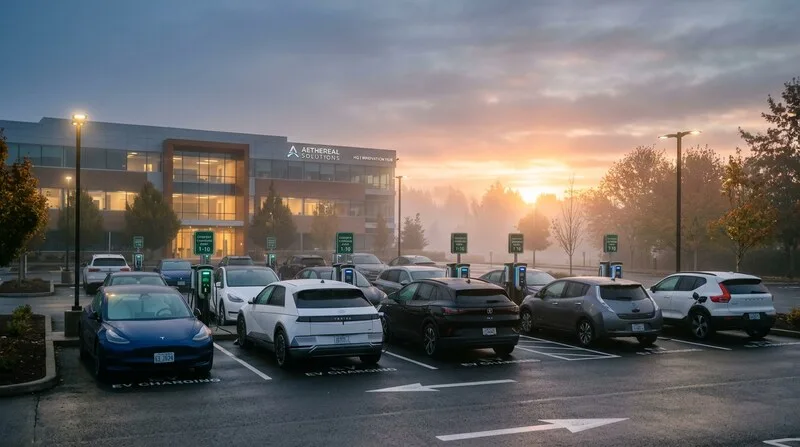
The single most important rule: once your car is charged, leave the spot – even if you're just grabbing a quick coffee. Charging spots aren't parking spots. Every minute you linger after your session ends blocks someone who actually needs the electricity.
Many networks enforce this with an idle fee (EnBW: starting 5 minutes after your session ends). But even where no fee applies, moving promptly is simply good practice.
Rule 2: put the cable back properly

Sounds trivial, but it's a genuine point of friction: hang the cable back on its holder after charging. A cable left on the ground is a trip hazard, wears out faster, and is inconvenient for the next driver. At Ionity and EnBW stations the cable is permanently attached, so just re-hanging it takes a few seconds.
Rule 3: don't charge longer than you need
Only need 20 minutes of fast charging to reach your next stop? Then charge for 20 minutes, not all the way to 100% if 60% is enough. The charging curve tapers off sharply past 80% anyway, and you free up the spot faster for someone else.
Exception: if plenty of stalls are open, there's no harm in charging to 100%.
Rule 4: don't "reserve" a spot
Parking at a charger while your battery still sits at 80%, just to "claim the spot" before you actually need it, doesn't win you any friends in the EV community. Charging spots get used on an as-needed basis: if you're topped up or don't need it, move on.
Rule 5: don't casually unplug someone else's car
Is it okay to unplug a fully charged vehicle so you can charge instead? Legally, it's a gray area, and opinion within the community is split. The pragmatic majority view: if a car is obviously at 100% and has been sitting for a long time (2+ hours, with the station fully occupied), many drivers tolerate it as a last resort. But you're on the hook for any resulting damage, and not every car reacts the same way to being unplugged.
Better: call the operator. Many networks can send the driver an app notification directly.
Rule 6: help if someone's stuck
New EV drivers sometimes stand confused at a charger: the app isn't working, the cable won't lock, the card isn't recognized. Two minutes of help from an experienced driver is genuinely valuable. The EV community runs on mutual support.
Rule 7: report ICEing, don't escalate it
A gas car parked in your charging spot? Stay calm, take a photo, and call local enforcement or the operator's support line – that's the right approach. Taking matters into your own hands (scratching, tampering, blocking them in) creates legal trouble for you and reflects badly on the EV community as a whole. More: Charger blocked: what to do.
Frequently asked questions
How long can I sit at a charger after finishing?
Ethically: as short as possible. Legally: as long as there's no parking restriction and the operator doesn't charge an idle fee. EnBW applies a fee after 5 minutes. Tesla applies an idle fee once the site is at capacity. The best practice is simple: move on right away.
Can I unplug someone else's EV?
Legally uncertain and risky. You're interacting with someone else's property and could be held liable for damage. Better: contact the operator, notify local enforcement, or head to the next available charger (→ charging map).
Do I need to unplug before running an errand, or is briefly stepping away okay?
Only charge as long as you actually need to. If you're running into a store, charging during that time is fine, but move on as soon as you're back and have enough charge, not necessarily only once your errand is fully done.
Does etiquette apply at workplace chargers too?
Especially there. Being considerate matters: share spots fairly, coordinate with coworkers about who needs it when, and move once you're charged. Many companies manage this with an internal sign-up system.
Keep reading: Charger blocked: what to do · Highway EV charging guide · Find a free charger · Complete EV charging guide