EnBW mobility+: the largest charging network in Germany
EnBW mobility+ operates the largest public fast-charging network in Germany by geographic coverage. Over 1,000 sites are spread across highways, city centers, shopping malls and parking garages. The network keeps growing – EnBW has announced plans to expand to 5,000 sites by 2030.
- Charging points: 3,500+ in Germany
- Power range: from 22 kW AC to 300 kW DC
- Connectors: CCS, CHAdeMO, Type 2
- Roaming: reaches partner networks through Intercharge too
Pricing and plans in 2026
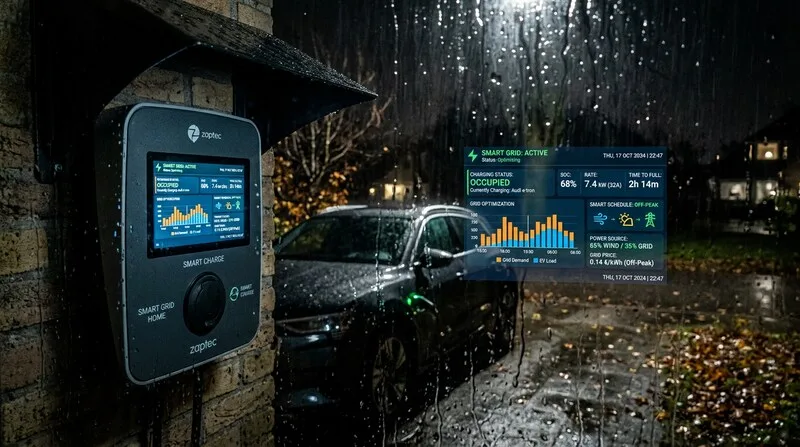
EnBW offers several pricing tiers. The cheapest entry point without a subscription is the ADAC plan, if you're a member:
| Plan | AC (22 kW) | DC (50–300 kW) | Base fee |
|---|---|---|---|
| Ad-hoc (no account) | €0.43/kWh | €0.59/kWh | – |
| mobility+ Basic | included | €0.49/kWh | €9.99/mo |
| ADAC e-Charge | €0.35/kWh | €0.35/kWh | ADAC membership |
Bottom line: ADAC members get the cheapest EnBW access available. Without membership, the Basic subscription pays off for anyone charging DC regularly. More: EV charging card comparison 2026.
The EnBW mobility+ app
The app is your main way to access the network. It shows real-time occupancy and pricing, and lets you pay directly. Key features:
- Map: every EnBW site plus roaming partners in one view
- Real-time occupancy: check before you leave
- Charging history: usage and cost per session
- RFID card: an alternative to the app, tap at the terminal to start charging
Fast charging vs. AC charging on EnBW
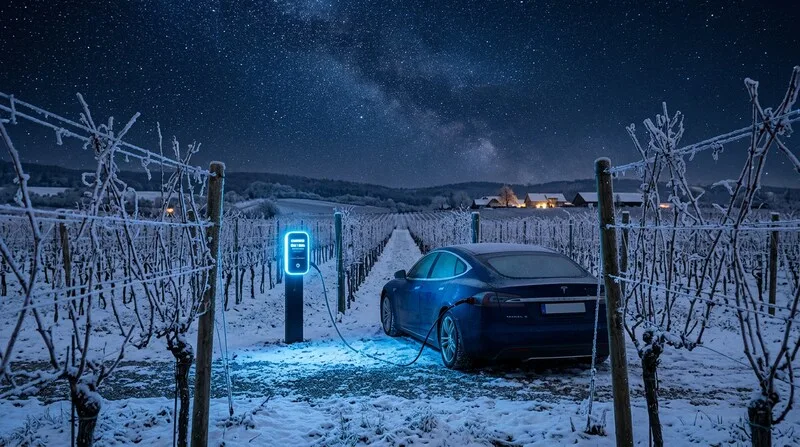
Depending on your vehicle and the specific charger, charging speed at EnBW stations varies widely, which directly affects cost and time:
- AC 22 kW: at parking garages and city locations – cheap, but takes several hours
- DC 50–150 kW: at many highway locations, 10–80% in 30–40 minutes
- DC 150–300 kW: newest sites, ideal for long-distance driving
Full comparison: AC vs DC charging – which one when?
EnBW on the highway
Alongside Ionity and Tesla, EnBW runs the densest network at German highway rest stops. Many locations have fast chargers rated at 100 kW or higher. The combination of network size and the ADAC partnership makes EnBW particularly appealing for frequent long-distance drivers. Find every highway location on the EnBW map filter.
ADAC members pay just €0.35/kWh at EnBW chargers, even for DC fast charging. On a 60 kWh session, that's roughly €14.40 in savings versus the ad-hoc rate. ADAC membership costs about €7/month, and pays for itself after a single charging session per month.
Frequently asked questions
Do I need a contract for EnBW?
No. Ad-hoc charging works without a contract – you pay by credit card or through the app. For cheaper rates, the mobility+ subscription or the ADAC e-Charge option are worth considering.
Will my charging card from another provider work at EnBW?
Many charging cards (Maingau, Plugsurfing and others) work at EnBW stations through Intercharge roaming. Pricing can vary though – check your provider's app first.
How reliable is the EnBW network?
EnBW is considered one of the most reliable networks in Germany, with independent testing reporting availability rates above 97%. Smaller operators often see downtime rates above 5% by comparison.
Does EnBW work in Austria and Switzerland?
Yes. Through EnBW mobility+'s roaming network, many charging points in Austria and Switzerland are reachable too. Billing runs through your EnBW account, sometimes with a roaming surcharge. The app shows every available station abroad.
Compare every charging network: Highway EV charging guide · AC vs DC charging · Ad-hoc charging without a card · Cheap home electricity for EV charging