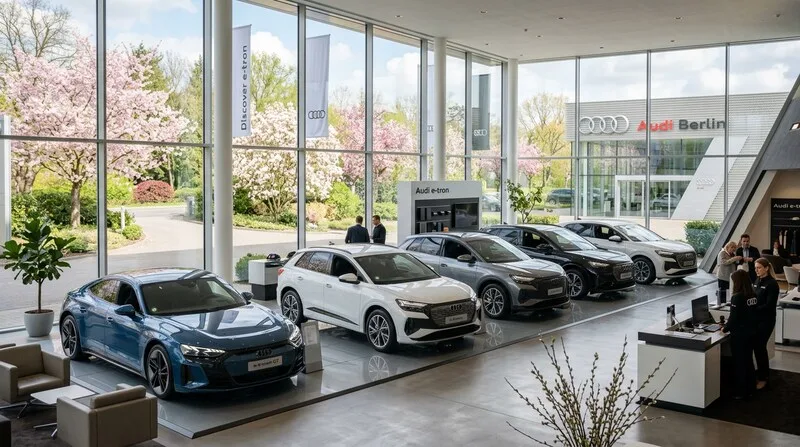
What is ad-hoc charging?
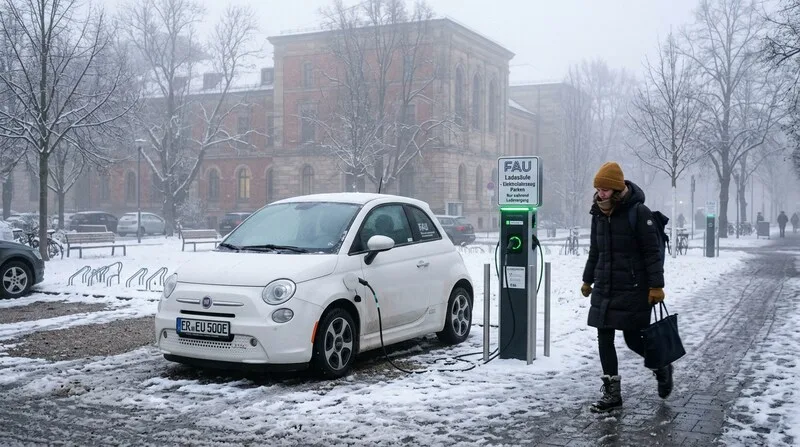
Ad-hoc charging means charging at a public station with no prior registration, no charging card, and no ongoing contract. You pay right there on the spot, by credit card, through an app, or through the vehicle itself. It's more expensive than a subscription plan, but completely hassle-free.
Payment methods at a glance
| Method | Availability | Premium vs. a plan |
|---|---|---|
| Contactless credit card | Ionity, EnBW, Aral pulse, Shell | +40–100% |
| App with no contract | Every major network | +20–60% |
| PayPal/Google Pay | Allego, some local utilities | +20–50% |
| Plug & Charge (ISO 15118) | Tesla Supercharger, Ionity (newer vehicles) | Rate depends on plan, no extra premium |
| QR code scan | Many local utilities and municipal networks | Varies |
Ad-hoc charging at the major networks
The biggest networks and how to pay there without a card:
- EnBW: credit card directly at the terminal (Visa/Mastercard), or the EnBW mobility+ app with no subscription. Ad-hoc rate: €0.49–0.59/kWh DC.
- Ionity: contactless card (Visa/Mastercard/Amex) at newer stations. App payment with no contract also available. Ad-hoc: €0.79/kWh, down to €0.35/kWh with an ADAC plan.
- Tesla Supercharger: Tesla vehicles authenticate automatically via Plug & Charge; non-Tesla drivers use the Tesla app with a card on file, no plan required.
- Aral pulse: credit card at the terminal or the Aral app. Ad-hoc: €0.10/min AC, €0.20/min DC.
- Shell Recharge: app or credit card. Ad-hoc: €0.55–0.69/kWh.
- Allego: app (one-time registration), PayPal, or card. Ad-hoc: €0.59–0.75/kWh DC.
Plug & Charge: the most convenient ad-hoc option
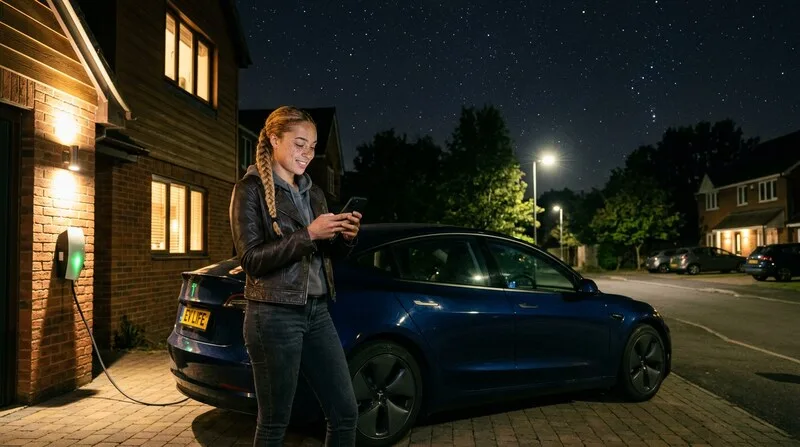
The ISO 15118 standard (Plug & Charge) authenticates automatically through the charging cable itself, no QR code, no app, no card. The vehicle identifies itself when plugged in, the session starts, and payment runs automatically against a saved payment method. Supported vehicles (as of 2026):
- Tesla (all models, at Ionity since 2023)
- Audi e-tron/Q4 e-tron (on the Ionity network)
- Porsche Taycan (on the Ionity network)
- BMW iX, i4, i5 (Ionity, some EnBW stations)
- Hyundai IONIQ 6/Kia EV6 (on the Ionity network)
Requirement: the vehicle must support the Plug & Charge protocol, and the charging station operator must have it enabled.
Roaming: one app for every network
Instead of needing a separate app for every provider, roaming platforms bring many networks together in one app:
- Plugsurfing: 500,000+ charge points across Europe, no subscription needed, ad-hoc payment via app
- Chargemap (app): 450,000+ charge points, an optional membership card, ad-hoc or plan-based pricing
- ADAC e-Charge: a discounted rate for ADAC members, works at EnBW, Ionity and more
- EnBW mobility+: one of the cheapest German plans, usable without a subscription too
Cost comparison: ad-hoc vs. a plan
Example: a 30 kWh top-up (roughly 125 miles of range) at a 150 kW Ionity charger:
- Ad-hoc by credit card: 30 × €0.79 = €23.70
- ADAC e-Charge plan: 30 × €0.35 = €10.50
- Difference per session: ~€13 – at 50 sessions a year, that's €650 in extra cost
If you charge at public fast chargers regularly, get at least one affordable plan. For occasional road trips, though, ad-hoc is perfectly fine and completely hassle-free.
Tip: find stations before you need them
So you're never searching with a nearly empty battery: find every public charging station along your route on our interactive charging map, filterable by network, power, and connector type. Especially important on highway trips: Ionity stations roughly every 50–75 miles on German highways, and EnBW as the densest fast-charging network.